
Instructional Designer

Nice to meet you.

Hi, I'm Bethany! I'm an instructional designer living in beautiful Missoula, Montana, where I balance my love for travel, adventure, and painting with creating impactful learning experiences.

With more than six years of experience, I design creative, learner-centered training using tools like Articulate Storyline 360, Adobe, Microsoft 365, Canva, and more. My passion is blending innovation and accessibility to make learning not only effective, but engaging and memorable.

6+ Years Experience
Storyline 360 & Vyond
UDL Accessibility
ADDIE Design Framework
Instructional Designer at work
Featured Expeditions

Selected Work

Projects created using Vyond, Canva, Articulate Storyline 360, and other digital tools. Each one showcases creativity, instructional design skills, and a commitment to learning that is both effective and engaging.

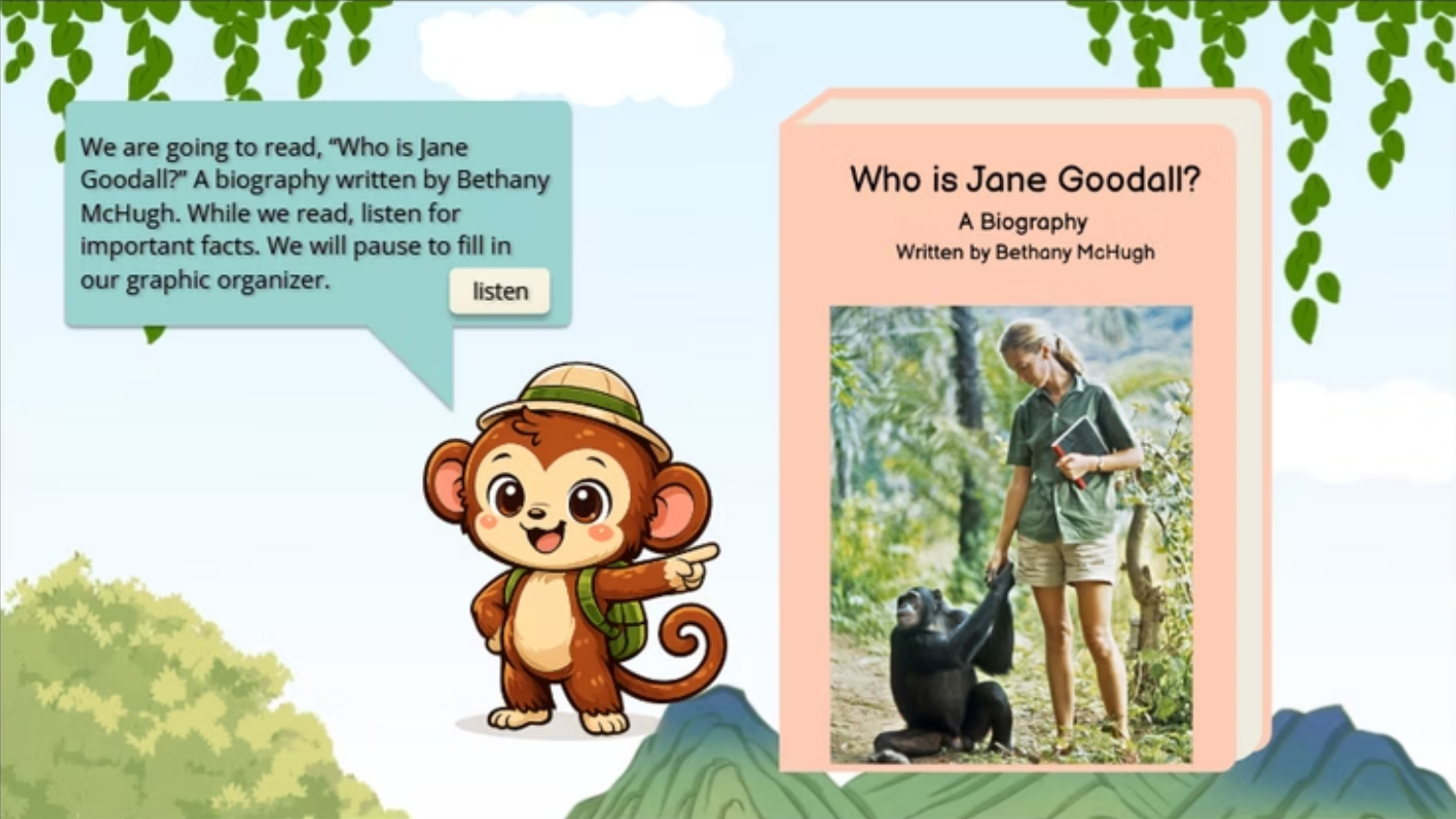
Storyline 360 game: drag-and-drop biography attributes
Storyline 360Scaffolded Practice

Biography of a Famous American

This interactive Storyline 360 game was designed to help elementary learners actively engage with content through hands-on decision-making and immediate feedback. Students apply their understanding by sorting information, answering questions, and receiving guidance throughout the activity. The game incorporates age-appropriate visuals, audio support, and scaffolded challenges to promote engagement, accessibility, and confidence while reinforcing key learning objectives.

  • Tool Articulate Storyline 360
  • Approach Model, guided practice, independent application
  • Focus Scaffolded, intellectually active learning
Review Case Study
CanvaVisual Design

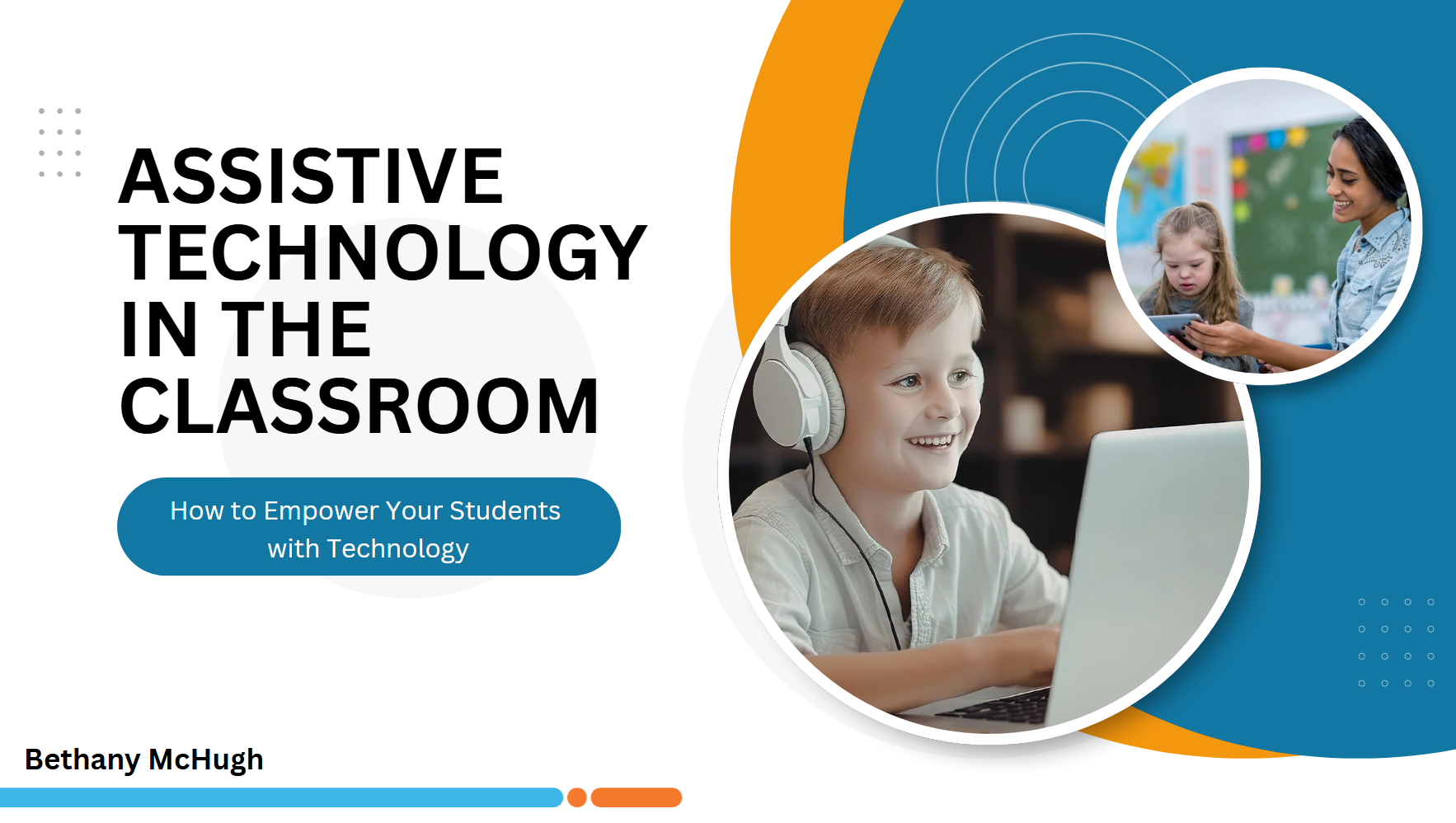
Assistive technology in the classroom

A developed professional learning experience to support educators in implementing assistive technology to enhance accessibility and student success. The workshop combined research-based practices, hands-on exploration of assistive technology tools, and collaborative lesson planning to help teachers create more inclusive learning environments that meet the needs of all students.

  • Tool Canva
  • Format Presentation
  • Purpose Clarify, Inform, and reduce barriers
Review Case Study
Canva infographic: Productive Conflict Management in the Workplace
The Path

My path to instructional design.

From Texas Tech, to Thailand, to job coaching, to four years in the elementary classroom, to the world of instructional design.

Texas TechFoundations of Learning

Foundations of Learning

Lorem ipsum dolor sit amet, consectetur adipiscing elit, sed do eiusmod tempor incididunt.

University architecture
Teaching in Thailand
Peace CorpsCultural Adaptability

Teaching and Training in Thailand

Lorem ipsum dolor sit amet, consectetur adipiscing elit, sed do eiusmod tempor incididunt ut labore.

Job CoachingHuman-Centered Design

Job Coaching

Lorem ipsum dolor sit amet, consectetur adipiscing elit, sed do eiusmod tempor incididunt.

Hands collaborating
Elementary classroom
Greenville County SchoolsFour Years in the Classroom

Back to the Classroom

Lorem ipsum dolor sit amet, consectetur adipiscing elit, sed do eiusmod tempor incididunt ut labore.

The Keelworks FoundationStepping into ID

Becoming an Instructional Designer

Lorem ipsum dolor sit amet, consectetur adipiscing elit, sed do eiusmod tempor incididunt.

Designing instructional materials at a desk

Want the fuller picture?

My resume covers the credentials and project history. My book covers a story all my own.

Professional Expertise

What's My
Philosophy?

My philosophy of learning design and technology has grown out of many facets of my life experience. Select an element below to explore further.

Constructivism

Challenge • Problem-Solving • Meaning-Making

Universal Design for Learning

Multiple Means of Representation • Equity

Learner Agency

Meaningful Choice • Self-Efficacy

Alignment

ADDIE • Outcomes Before Tools

Philosophy

"Wilson and Novak (2024) explain that learning happens as people make meaning from experience, often through challenge and problem-solving. That idea reflects what I have observed in my own experience. When students are simply told information, it fades quickly. When they are asked to categorize, compare, organize, or explain ideas in their own words, the learning not only becomes exciting, but it sticks with them long term."

Seen in: Biography of a Famous American, sorting & organizer activities.

Philosophy

"CAST (2018) discusses neuro-variability and reminds educators that there is no single way learners process information. That concept resonated with me immediately because I have worked with learners of different ages and abilities. I have seen capable students struggle not because they lack understanding, but because the format of instruction did not align with how they access information. In my design work, I intentionally include multiple means of representation and expression."

Seen in: Listening, reading, and image-based comprehension supports.

Philosophy

"Brod et al. (2023) describe agency as a learner’s ability to make meaningful choices and shape their own learning process. I have seen how powerful this can be in children and adults. When students have choice in their learning, their motivation changes: they ask better questions, care more about accuracy, and revise more willingly."

Goal: Structures that support independence without removing necessary guidance.

Philosophy

"The ADDIE framework has supported this alignment by encouraging thoughtful analysis before design. Rather than beginning with tools, I begin with outcomes."

Method: "I do, we do, you do," model, guided practice, independent application.